as I go back to work
i'll keep 'gentle' in mind
creating boundaries
making space for me
i'll keep 'gentle' in mind
as i talk with people
making space for me
and respecting our needs
as i talk with people
i'll be profissional, no feelings attached
respecting our needs
the lessons will trive
i'll be profissional, no feelings attached
practical and efficient
the lessons will trive
and i'll be plenty
people will adapt
creating boundaries
as a lesson for them
making space for meW3 :: A pantoum unfolds in four-line stanzas, with each stanza carrying two lines into the next:
The second line becomes the first line of the next stanza.
The fourth line becomes the third line of the next stanza.
Add new lines in the second and fourth positions, letting the repeated lines gather fresh meaning in their new surroundings.
Continue for as many stanzas as you like. To bring the poem full circle, the final stanza traditionally uses the opening stanza’s third line as its second line, and the poem’s opening line as its closing line.
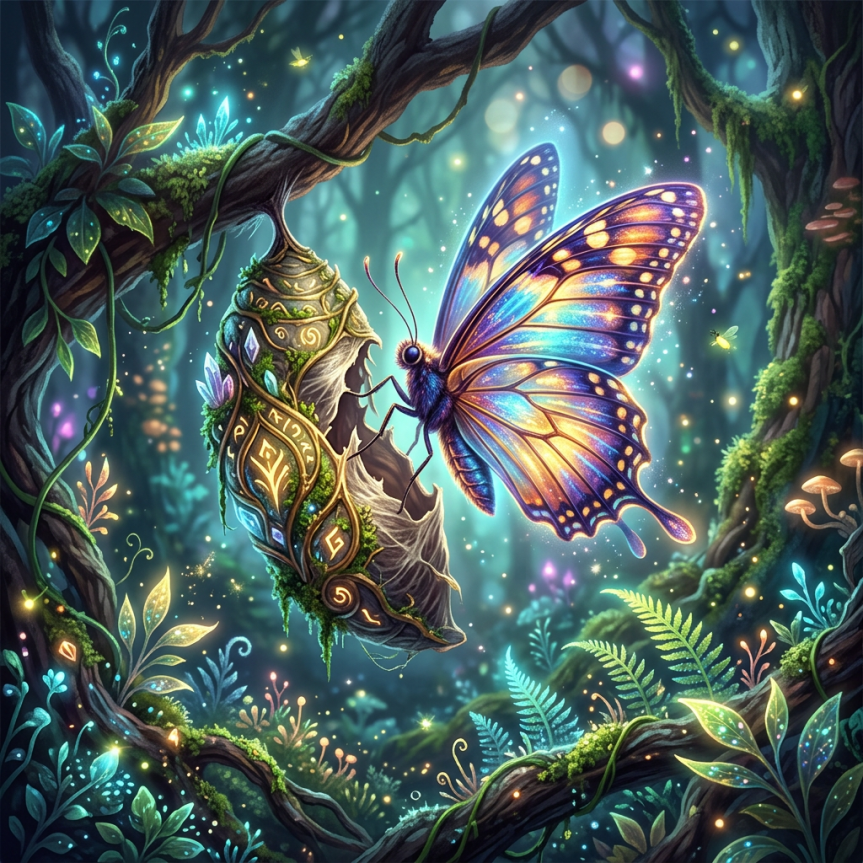
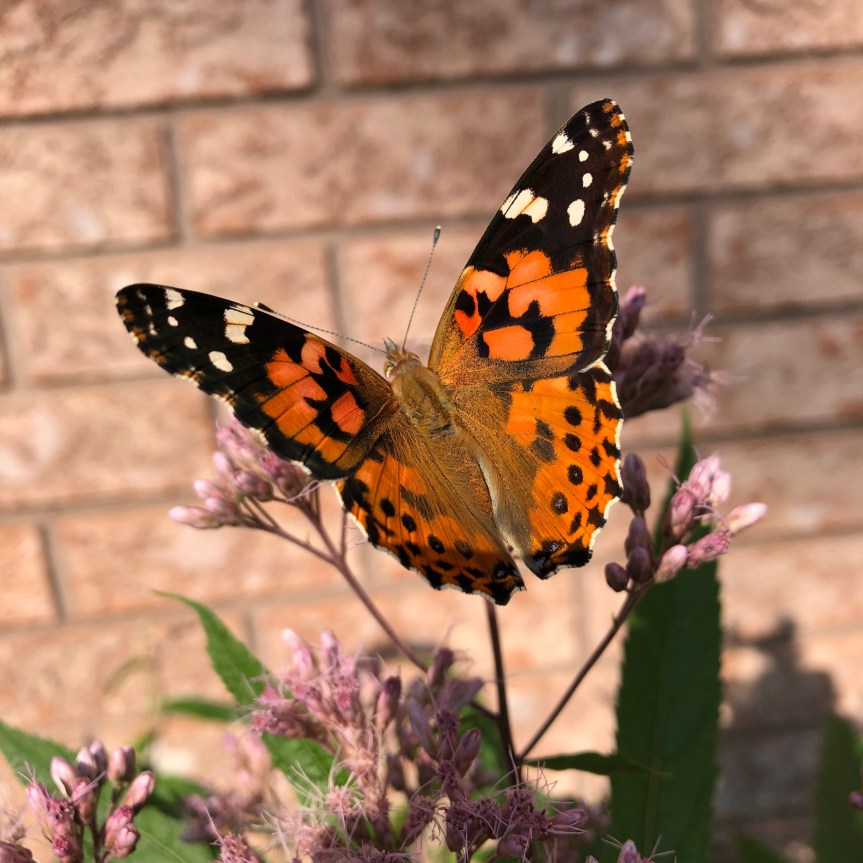
cocoon growth in progress willing to give up, all loneliness and transformation bursts out slowly emerging to the light acceptance in a breath wings of freedom gentle
A butterfly cinquain for W3 prompt: … about gardens, dirt, worms, roots, weeds, and the many things that lie beneath the surface.
You can take this prompt literally and write about gardening or the natural world. Or you can use these images as metaphors for growth, change, discovery, hidden truths, difficult work, things that need tending, or anything else they inspire.
Wherever your imagination takes you, I hope you’ll dig around a bit and see what you uncover.
what it is that music is trying to say the melody has opened a gate where past and present mingle together in the mirror Clearly I can see the younger and older me made of dreams and reality floating and grounded halves getting together petals making beauty my delicious walk in the rain washing off all the sorrow lightness is welcoming
For many of us, our first introduction to poetry came through nursery rhymes — those strange, playful, memorable verses we heard long before we understood what poetry even was.
For this week’s W3 challenge, you are invited to use a nursery rhyme as inspiration for an original poem. Your poem does not need to rhyme, and it may be written in any form you choose, but please try to keep it to no more than 24 lines.
You might:
Incorporate a nursery rhyme character into your poem — as narrator, subject, symbol, or inspiration.
Borrow or adapt an opening line from a nursery rhyme.
Simply follow the memory of a rhyme wherever it leads you.
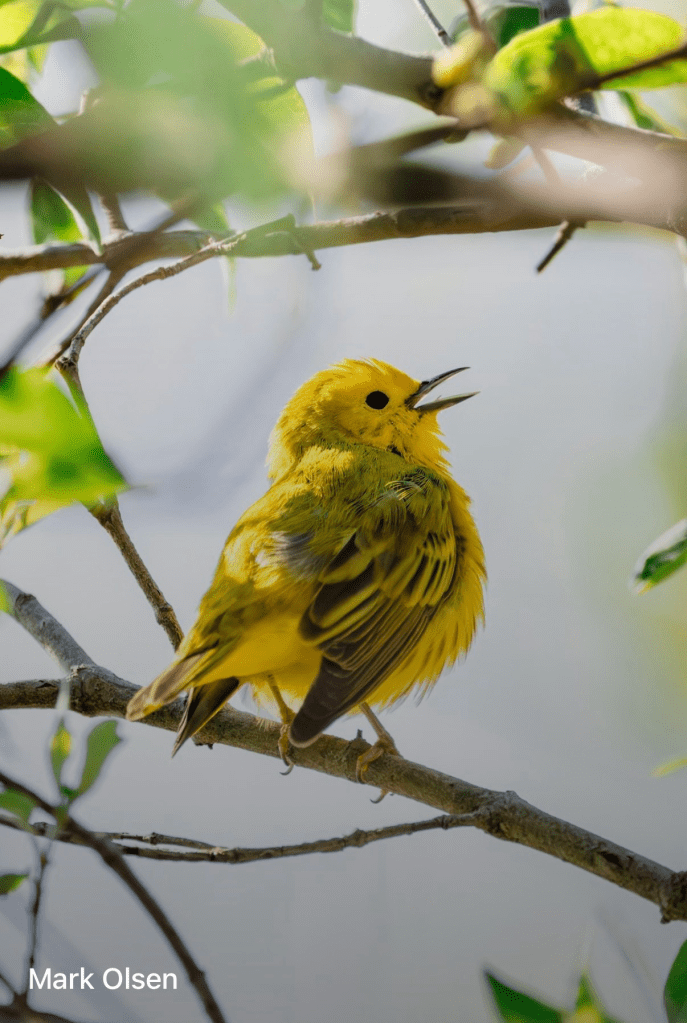
Try to use at least two yellow things in your poem. Try NOT to use the word yellow. Instead, use the yellow thing as your metaphor to tell us the color.